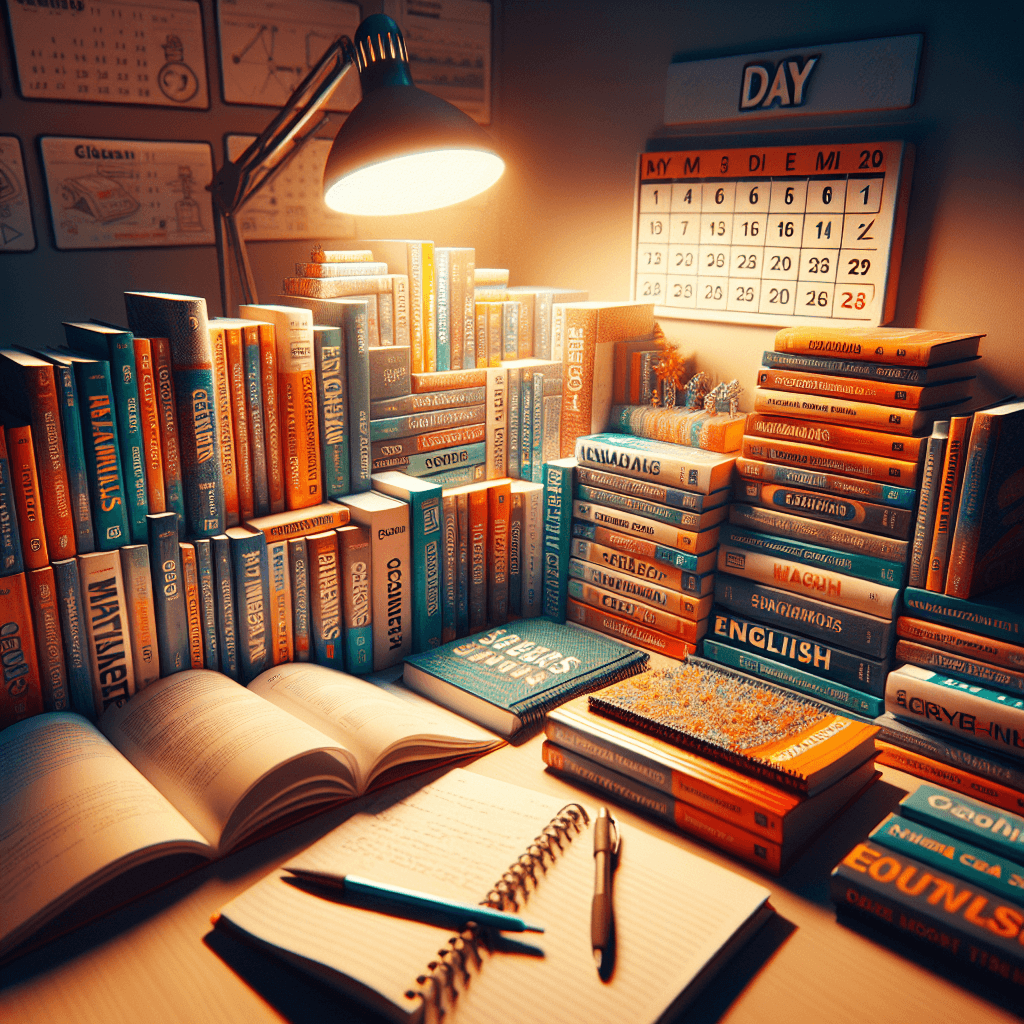
Best Books for CBSE Class 10
Feeling a bit lost about which books to pick for your CBSE Class 10 prep? You’re definitely not alone. As board exams inch closer, this question pops up more than you’d think. With so many books out there, it can get confusing pretty fast. But don’t stress—we’re here to make it simple, so you can focus on what really counts.
Why Picking the Right Books Actually Matters
Think of your study materials as the foundation of a house. If your base is solid, the whole structure stands firm. That’s how important your books are for CBSE prep. The right textbooks and guides help you grasp concepts clearly, practice well, and enter the exam hall confident—no last-minute cramming panic required!
The Go-To Books for Each Subject
Mathematics
- NCERT Mathematics Textbook for Class 10: This one is your bible. Almost every board exam question comes from here. Make sure you don’t just read but actually work through the solved examples and exercises.
- RD Sharma or RS Aggarwal: Pick one of these for extra practice. They’re great if you want more questions or find some topics tricky.
Science
- NCERT Science Textbook for Class 10: Covers everything you need, theory and practical both.
- Lakhmir Singh & Manjit Kaur: Loved by many because of clear explanations and plenty of solved examples that make tough sections easier.
Social Science
- NCERT Textbooks (History, Geography, Civics, Economics): These are gold! Almost every question comes from these. Revise thoroughly.
- Together with Social Science or Oswaal Social Science: These books give you extra practice, sample papers, and previous years’ questions—all perfect for revision time.
English
- NCERT First Flight & Footprints Without Feet: Concentrate on these books since most English exam questions come straight from here.
- BBC Compacta or Oswaal Question Banks: Use these for grammar practice and sample questions to boost your skills.
Hindi
- NCERT Kritika & Kshitij: This is your main material for Hindi, so read each chapter and poem carefully.
- Xam Idea Hindi: Handy for extra practice and quick summaries.
How to Make the Most of Your Books
Start with the NCERT textbooks and complete every chapter, including all exercises. Once you’ve nailed that, turn to your reference books for additional practice or tough topics.
Don’t ignore diagrams, maps, or experiments—they often carry valuable marks. And here’s a pro tip: jot down short notes as you study. These little summaries become lifesavers during last-minute revision.
How Many Books Should You Actually Use?
More is not always better. For each subject, sticking to two books—NCERT plus one good reference—is usually all you need. Jumping between too many books just confuses things and wastes time.
Planning Your Study Smartly
Keep your focus on the syllabus and avoid overcomplicating your prep. Use books that follow the CBSE exam pattern closely.
Try setting small daily or weekly goals to finish chapters on time. This keeps your study balanced and your stress low.
If you want tips on organizing your study routine, check out our guide: How to Prepare for CBSE Class 10.
And don’t forget to confirm your study topics with the latest CBSE Class 10 Syllabus to stay on track.
A Little Something to Keep You Going
No book can promise a perfect score, but the right resources combined with consistent practice and smart revision will definitely move you forward. Believe in yourself—one chapter at a time.
Written by the ClassApna teaching community, always cheering you on in your learning journey.
FAQs You Might Be Wondering About
Q1. What’s the most important book for CBSE Class 10?
The NCERT textbooks—for all subjects, they are your backbone.
Q2. Can I rely on only NCERT for the exams?
Mostly yes! But adding one reference book helps deepen your understanding and provides extra practice.
Q3. Do I really need guidebooks?
They’re helpful for extra questions and quick revisions but don't replace your NCERT textbooks.
Q4. How should I use reference books?
After finishing NCERT, use them for tricky chapters and more sample questions.
Q5. How many books should I study per subject?
NCERT plus one reference book or question bank usually does the trick.
Q6. Where can I find the latest syllabus?
Check the official CBSE website or your school for the most up-to-date syllabus.
Q7. Should I buy new editions every year?
If the syllabus hasn’t changed, last year’s edition works fine. Otherwise, get the newest one.
Q8. Are sample papers really useful?
Absolutely! They help you get familiar with the exam pattern and improve time management.
Remember, the right books are your best study buddies. Pick wisely, study smartly, and you’re set for success!