How to Tackle CBSE Class 10 Sample Papers – Day 7 Guide
If you’ve been prepping for your CBSE Class 10 exams for a while, you might sometimes wonder: Why do I still feel nervous, even after studying so much? Am I really ready for the big day? Trust me, you're not the only one asking these questions. Many students work super hard all year but still feel shaky when they see the actual exam papers. Often, this comes down to one thing—the way they use sample papers.
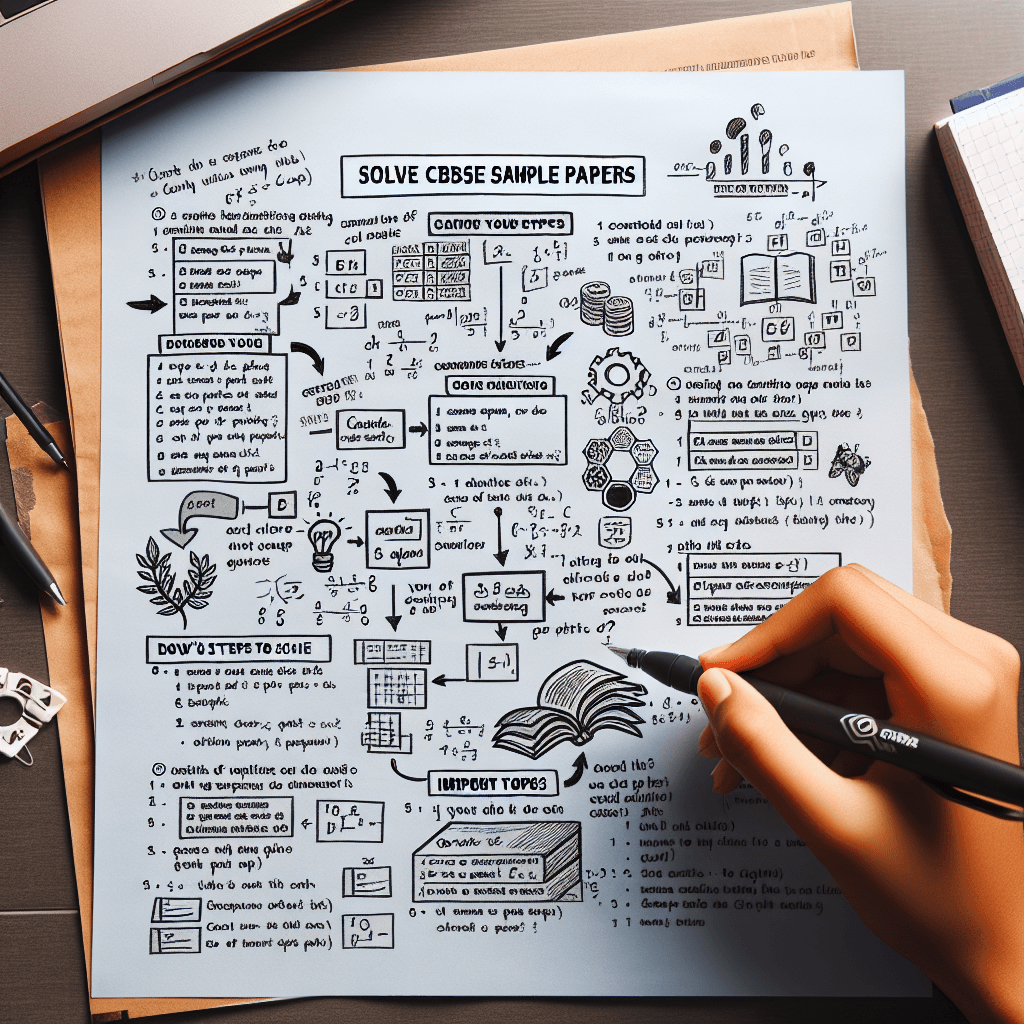
Sample papers aren’t just practice tests. Think of them as your secret weapon to build confidence, understand tricky topics better, and catch mistakes before the main exam.
Why Sample Papers Are a Game-Changer in Your Preparation
Even if you’ve covered everything in your syllabus, practicing with sample papers is what really prepares you for the exam room. These papers mimic the real exam’s structure and marking pattern, so by solving them, you get to:
- Spot the latest trends in exam questions
- Sharpen your time management skills
- Pinpoint which topics you’ve mastered and which need more work
Feeling a bit overwhelmed about where to begin? No worries! Let’s break down your Day 7 sample paper session step-by-step.
How to Solve Sample Papers Like a Pro
1. Create a Real Exam Vibe
Find a quiet, distraction-free spot. Put your phone away and set a timer for 3 hours (or whatever your exam duration is). Treat it like the real exam—this helps you train your focus and stamina.
2. Glance Over the Paper First
Before jumping in, skim through all the sections quickly. Mark the ones where you feel confident. These should be your “easy wins” to tackle first, so you build momentum.
3. Start with What You Know
Avoid getting stuck on tough questions right away. Kick off with the ones you can solve quickly. That early confidence boost makes a big difference!
4. Manage Your Time Smartly
Divide your time based on how much each section carries. Don’t forget to save around 15-20 minutes at the end for a quick review. Trust me, this gets easier with regular practice.
5. Show Your Work Step-by-Step
Especially for math and science, write down every step clearly. Even if your answer isn’t perfect, showing your method can earn you partial marks—don’t skip this!
6. Check Against the Model Answers
Once done, compare your paper with the official solutions. Where did you lose marks? Was it a missing step, a wrong term, or a careless mistake? Use these insights to tweak your approach.
7. Keep a “Mistake Notebook”
Note down your recurring errors—whether it’s spelling mistakes, calculation slips, or missing diagrams. Regularly revisiting this notebook helps you avoid repeating the same mistakes.
Extra Tips to Boost Your Day 7 Practice
- If you're making silly errors, slow down and focus on accuracy rather than speed.
- Don’t just glance at wrong answers—rewrite them correctly to reinforce learning.
- Spend extra time on weak topics to build solid understanding before moving on.
For a detailed game plan, don’t miss our full How to Prepare for CBSE Class 10 guide. Also, always check you’re practicing with the most updated CBSE Class 10 Syllabus so you’re focused on the right topics.
Pro Tricks to Get the Most Out of Sample Papers
- Mix easier and tougher papers each week. This keeps you flexible and ready for anything.
- Practice last 3 years’ papers regularly. Exam patterns tend to repeat, and this gives you an edge.
- Simulate exam conditions by writing your papers at the same time your real exams will be.
- Join or form a study group. Teaching others and clearing doubts together sharpens your understanding.
Remember: Practice is only helpful when you learn from your mistakes. Make every Day 7 session a chance to grow!
A Little Motivation for You and Your Parents
Each sample paper you complete brings you one step closer to your goal. Don’t get discouraged when you mess up—see mistakes as stepping stones. Stay consistent, stay curious, and know that we’re rooting for you all the way!
FAQs You Might Have
Q1. How often should I solve sample papers?
Try to solve at least one paper a week per major subject. As exams get closer, bump that up to 2 or 3 sets a week.
Q2. Should I time myself?
Absolutely! Timing builds your exam stamina and helps with pacing.
Q3. Are sample papers harder than the real exam?
They’re designed to match or sometimes be a bit tougher to prepare you well. Don’t stress—treat them as practice, not predictions.
Q4. When should I start solving sample papers?
Ideally, 3 to 4 months before exams so you’ve got time to improve.
Q5. Can sample papers replace textbooks?
Nope. First, get your concepts clear with textbooks. Then test yourself using sample papers.
Q6. What if I score low?
Review your mistakes, strengthen weak topics, and keep practicing. You’ll see improvement!
Q7. Should I follow the marking scheme strictly?
Yes! Knowing what examiners look for helps you maximize your marks.
Q8. Solo or group study?
Mix both. Solo helps focus; group study is great for clearing doubts and learning together.
Q9. How can I tell if I’m improving?
Look for higher scores, fewer mistakes, and quicker completion times.
Q10. Are sample papers available for every subject?
Yes! CBSE releases official sample papers yearly for all major subjects.
Every step you take practicing these papers brings you closer to mastering your exams. Keep going—you’ve got this!
This guide is brought to you by the ClassApna teaching community, dedicated to helping every student shine in their board exams.