CBSE Class 10 Study Plan – Day 14: Smart Steps to Nail Your Boards
Hey there! So, it’s Day 14 of your Class 10 CBSE study plan. Feeling a bit stressed? Trust me, you’re not the only one. Sometimes two weeks can feel like forever or not nearly enough. And if you missed a day, don’t sweat it—you’re still moving forward, and that’s what counts!
Let’s be real: sticking to a study plan is tough. But by showing up here, you’re already proving you’ve got the drive to succeed. Let’s make today count with some smart, practical steps.
Why Bother with a Daily Plan?
The secret sauce for board exam success? Consistency. It’s all about making small, steady progress each day instead of cramming last minute. When you study regularly, confidence builds naturally, and that stress before the exam? It starts to fade.
Today, we’ll focus on revising key concepts, going over important chapters, and practicing the type of questions that really matter for the boards—especially those tricky application-based ones.
Day 14: What’s on the Agenda?
1. Quick Recap
Start with a 15–20 minute review of what you studied yesterday. This isn’t about new learning, but about refreshing your brain. Grab your notes, flashcards, or mind maps—whichever works best for you.
2. Pick Two Subjects
Choose two subjects that you find challenging or want to improve in. Dive into one high-scoring chapter from each. Use your textbooks, practice questions, or even previous year papers while doing this.
3. Practice Real-World Questions
CBSE loves testing how well you can apply concepts in real life. Spend about 30 minutes solving application-based questions from sample papers or online quizzes.
4. Check Your Work & Clear Doubts
After you finish, check your answers. Where did you slip up? What sounds confusing? Write down those doubts and get them sorted with help—ask your teacher, friends, or look it up online.
5. Take Care of Your Brain
Don’t forget to give yourself quick breaks—5 minutes every 40-45 minutes is gold. Stretch, sip water, or stroll around a bit. Your brain needs these mini pauses to stay sharp.
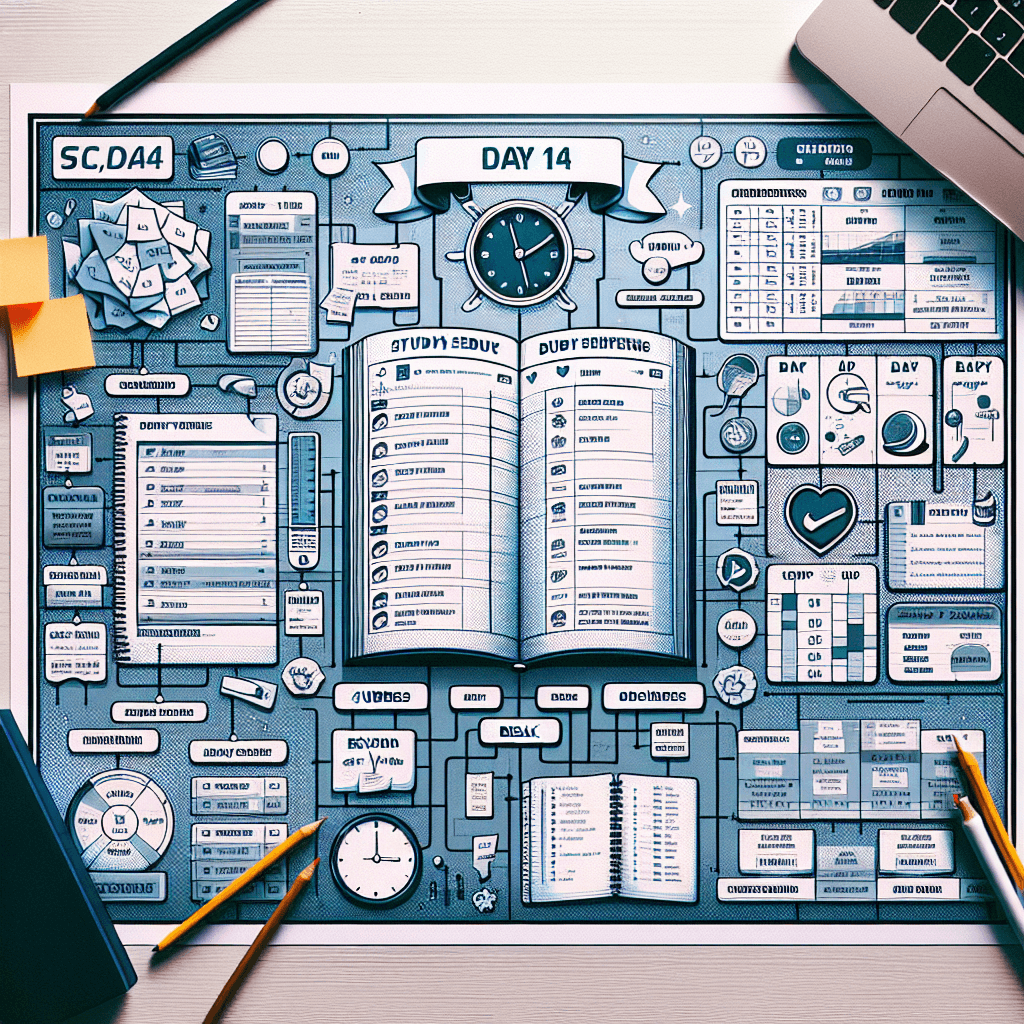
Sample Day 14 Timetable
| Activity | Time |
|---|---|
| Morning Revision | 15 mins |
| Subject 1 (Focus Chapter) | 45 mins |
| Short Break | 5 mins |
| Subject 2 (Focus Chapter) | 45 mins |
| Lunch & Rest | 60 mins |
| Application Questions | 30 mins |
| Doubt Clearing / Review | 20 mins |
| Evening Recap | 10 mins |
Feel free to tweak this based on when you’re most alert or your school hours. The key: balance your study, practice, and rest well.
Pro Tips for Day 14
- Focus on NCERT: Nearly all board questions come from it. Don’t just memorize—make sure you actually get the ideas.
- Make Mini Notes: Keep short revision notes with formulas and tricky bits ready for final prep.
- Mix Theory with Practice: Understanding concepts AND solving questions go hand-in-hand.
- Cut Distractions: Keep your study space neat and put your phone away, unless you’re using it to study.
Need More Help?
If you want the full plan, check out our detailed guide on How to Prepare for CBSE Class 10 and make sure you’re covering everything from the CBSE Class 10 syllabus.
Keep Your Spirits Up
Look at you—two weeks in and already building strong study habits! Not every day will be perfect, but those little daily wins add up. Keep believing in your routine and celebrate your progress, no matter how small. You're on your way to cracking those boards!
Crafted with care by the ClassApna teaching community.
FAQs – Your Quick Questions Answered
Q1. How long should I study each day?
About 4–6 hours of focused study usually works well. But remember, it’s about quality of study, not just hours.
Q2. What’s the best way to revise?
Make short notes, use mind maps, and keep practicing questions. Always go over concepts and correct your mistakes.
Q3. How can I finish the syllabus on time?
Stick to your daily plan, focus on tough subjects first, and track progress as per the official syllabus.
Q4. Should I take breaks?
Absolutely! Take a 5–10 minute break every 45-60 minutes to recharge and keep your mind fresh.
Q5. Are sample papers important?
Yes! They help you understand the exam pattern, marking scheme, and improve your speed.
Q6. How do I deal with exam anxiety?
Keep studying regularly, look after your health, practice deep breathing, and talk to someone if you feel overwhelmed.
Q7. Is NCERT enough for boards?
NCERT is your foundation. For extra practice, try sample papers and a few additional reference questions.
Q8. What if I miss a study day?
Don’t panic. Adjust your schedule, catch up the next day, and keep moving forward—consistency beats perfection.
Q9. How to clear doubts without a private tutor?
Use your school teachers, friends, online forums, or free platforms to get help.
Q10. When should I start revising?
Ideally 2–3 months before the exam. Keep revising regularly along with daily learning.
You’ve got this! Keep your head up, and let’s keep going strong on Day 14 and beyond.