How to Prepare for CBSE Class 10 Board Exams – Day 13
Feeling the pressure as your CBSE Class 10 board exams draw closer? If you’re on Day 13 of your study plan and wondering, “Am I doing enough? Is my strategy working?” — take a deep breath. You’re definitely not alone. And here’s the good news: It’s not too late to step up your game and make these next couple of weeks really count.
Let’s walk through some simple, practical tips and tricks that help you stay focused, manage your time smartly, and keep motivated as you prep for the big day.
The Day 13 Challenge: When Self-Doubt Sneaks In
It’s totally normal at this stage for doubts to creep in. You might start second-guessing your routine or worry that you’ve missed some important chapters. But guess what? A little anxiety shows you care — don’t let it shake your confidence. Instead, take it as a sign to pause, regroup, and power forward with a clear plan.
Check Your Progress—Honestly
Start Day 13 with a quick reality check. Look back at how far you’ve come:
- Which chapters or topics have you tackled?
- What’s left to cover?
- What subjects feel shaky and need extra attention?
Jot down these points. This will give you a clear picture of what’s done and what still needs your focus.
Tweak Your Study Plan for Maximum Impact
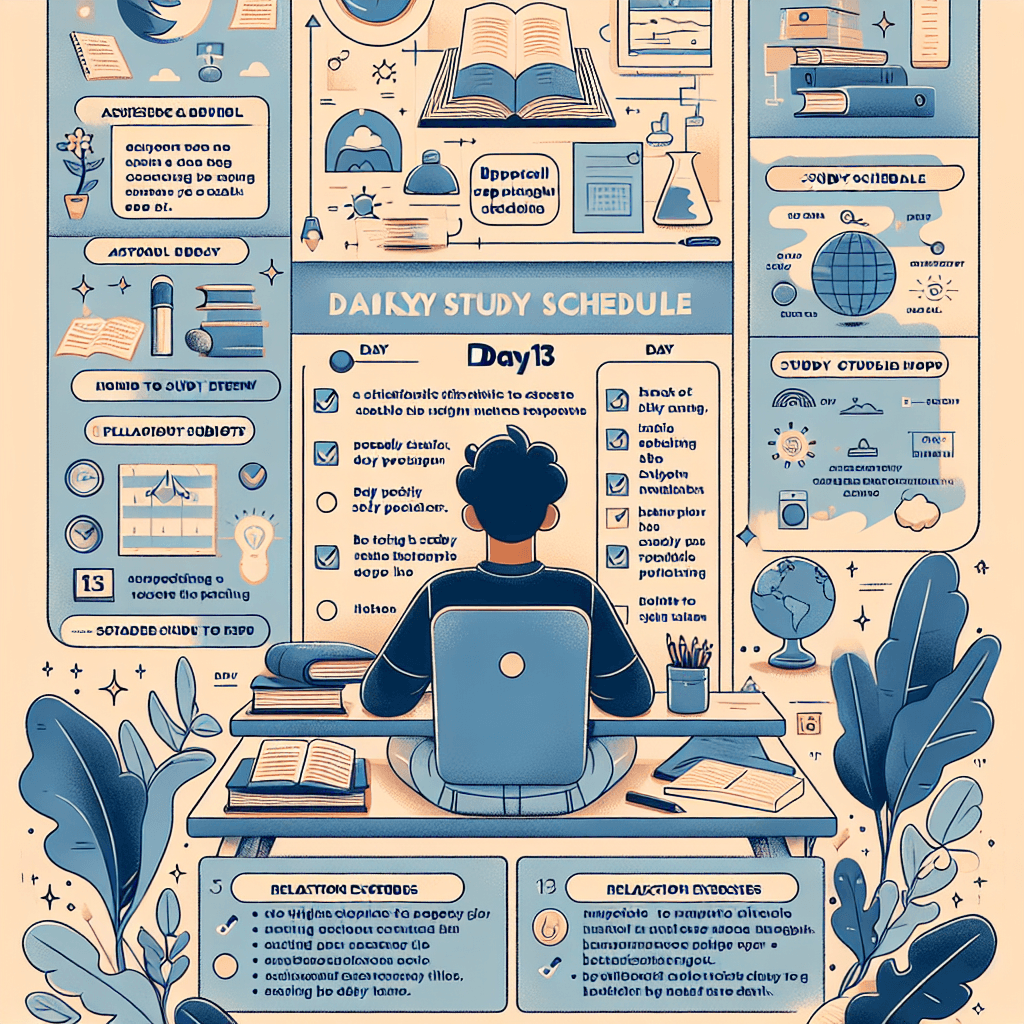
With around two weeks remaining, your study plan needs a little fine-tuning. Here’s how to make those revisions count:
- Spend extra time on subjects or chapters you find tough.
- Break your study sessions into bite-sized chunks — aim for 45 to 60 minutes, then take a refreshing 5 to 10-minute break.
- Set small, achievable goals every day. For example, “Today, I’ll finish two math chapters” or “I’ll revise three history topics.”
Keeping goals manageable helps build momentum and keeps overwhelm at bay.
Smart Study Techniques That Really Work
Active Revision Instead of Passive Reading
Reading can sometimes feel like going through motions. Instead, quiz yourself! Use flashcards, solve last year’s papers, or summarize what you’ve learned in your own words. Even better, try explaining a concept to a family member or friend — teaching is a superpower for remembering.
Managing Stress—Because It’s Part of the Game
Stress doesn’t have to be the enemy. When you feel overwhelmed, pause and practice deep breathing for a couple of minutes. Stretch, take a short walk, or just look outside for a mental breather. These little breaks can recharge your focus.
Board Exam Tips You Can’t Ignore
- Try solving at least one model paper each week under real exam conditions—no distractions!
- Carefully review where you went wrong. Mistakes are actually your best lessons.
- Don’t skip the exercises at the back of your NCERT textbooks—they’re CBSE exam favorites.
Know Your Syllabus Like the Back of Your Hand
Double-check the CBSE Class 10 syllabus to make sure no important topic slips through the cracks.
Healthy Habits for Exam Success
- Aim for 7 to 8 hours of good sleep every night. Your brain needs rest to lock in all that studying.
- Eat balanced meals. Homemade, healthy food will keep your energy steady.
- Celebrate small wins! Finished a chapter? Enjoy a short music break or something that makes you happy.
Study Alone or With Friends?
Group studies with one or two focused buddies can clear doubts and boost morale. Just make sure the group stays on track. If you find group sessions distracting, sticking to solo study is totally fine. You can always chat with teachers or friends later to clarify doubts.
Tech: Use It Wisely
Educational videos and apps can simplify tricky topics. But watch out for the rabbit hole of social media and WhatsApp distractions. Limit your tech use to set study times—technology should be your helper, not a time waster.
Keep the Motivation Flowing
Remember, getting through the boards is more like a marathon than a sprint. It’s okay to pace yourself and be patient with your progress. Every day you study, you’re building confidence and getting closer to your goal. Stay positive, keep your eyes on the prize, and don’t give up!
Want to dive deeper? Check out our complete guide on How to Prepare for CBSE Class 10.
Common Questions from Students Like You
Q1. How many hours should I study each day?
Around 5 to 6 focused hours with proper breaks usually works well. If some subjects are tougher, give them more time.
Q2. Is NCERT enough for board prep?
NCERT textbooks are your best friend. Make sure you practice all the exercises at the back carefully.
Q3. How do I manage time for all subjects?
Create a timetable that balances your weaker and stronger subjects. Avoid marathon sessions; instead, keep your study hours steady and consistent.
Q4. What if I feel too stressed?
Deep breaths help. Talk to someone you trust and take short breaks. A bit of anxiety is normal, so don’t panic.
Q5. How do I remember what I study?
Regular revision, writing summaries, and practicing MCQs will help cement your memory.
Q6. Should I make my own notes?
Yes! Writing notes in your own words makes revision easier and clarifies concepts.
Q7. Are sample papers important?
Absolutely. They help with timing, understanding the pattern, and knowing what topics often come up.
Q8. When should I start preparing?
Starting early in the academic year is ideal. But don’t worry — with the right strategy, you can improve your prep even if you start closer to exams.
Written with care by The ClassApna Teaching Community